Coping Tips for Chemotherapy, Radiotherapy, Hormone Therapy & Targeted Treatments
Introduction
Treatment is a journey with good days, hard days, and everything in between. You don’t need to feel brave every day. You don’t need to “stay positive” all the time.
This page is here to make the road a little easier, no matter which treatment you’re going through.
Chemotherapy
Chemotherapy affects everyone differently, but most people notice changes in energy, digestion, sleep, and mood. Small daily habits can make a big difference.
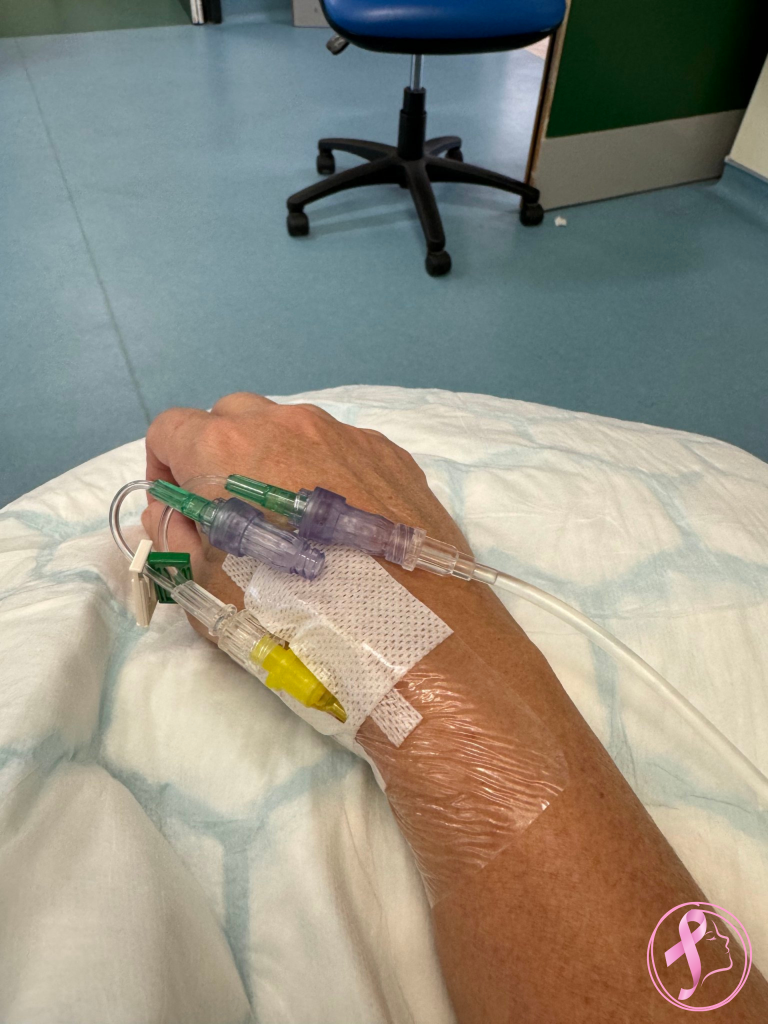
Managing Nausea
- Eat small snacks more often instead of big meals
- Dry crackers, toast, ginger biscuits, mint tea
- Cold foods are often easier than hot foods
- Ask about anti-sickness meds — there are several types
Fatigue
- Rest when you need to
- Save energy for essential things
- Don’t push through exhaustion — it makes recovery slower
- Short, gentle walks help circulation and mood
Taste Changes
- Try sharp flavours (lemon, lime, pickles)
- Use plastic/wooden cutlery if you get a metallic taste
- Smoothies can help when chewing feels like too much
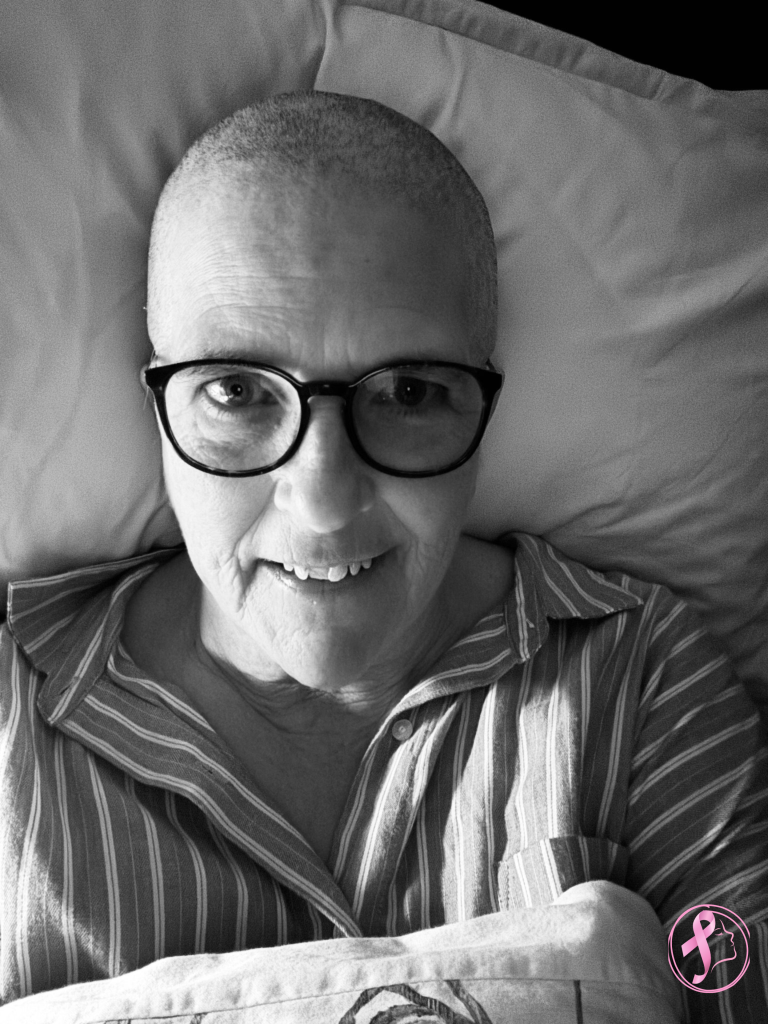
Hair Changes or Loss
- Wash hair gently
- Use soft bamboo caps or beanies
- Let yourself feel whatever you feel — it’s not “vain”, it’s human
On Chemo Days
- Bring snacks
- Wear layers (chemo wards can be cool)
- Take your phone charger
- Ask the nurses anything — they’ve seen it all
RADIOTHERAPY – Coping Tips
Radiotherapy is usually quick but tiring. Skin changes are the most common issue.
Skin Care
- Use only products approved by your radiotherapy team
- Keep skin clean and dry
- Avoid rubbing, scrubbing, tight bras, underwires
- Pat skin gently after showering
Fatigue During Radio
- Fatigue often builds over time
- Listen to your body
- Rest when you need — it’s not laziness, it’s recovery
Clothing
- Wear loose tops
- Avoid rough seams
- Cotton fabrics are best
After Care
- Skin may continue reacting for 2–4 weeks after finishing
- Continue gentle skincare until fully healed
- Sun protection on the area is essential long term
HORMONE THERAPY – Coping Tips
Common with breast cancer treatment (e.g., Exemestane, Letrozole, Tamoxifen).
Hot Flushes
- Wear cotton layers
- Keep a small fan by your bed
- Avoid spicy foods, caffeine, and alcohol before sleep
Joint/Stiffness Pain
- Gentle stretching
- Warm showers
- Light daily movement
- Magnesium spray or Epsom salt baths may help
Mood & Emotions
Hormone therapy is REAL — it can affect mood, focus, and patience.
- Be kind to yourself
- Let people know what you need
- Talk to your GP if mood changes feel overwhelming
TARGETED THERAPIES / ORAL TREATMENTS
(like Abemaciclib, Palbociclib, etc.)
Tummy Issues (common)
- Small meals
- Keep hydrated
- Avoid very rich, fatty foods
- Have loperamide on hand if your team advises it
Low Immune Days
- Hand hygiene
- Avoid people with colds or bugs
- Contact the hotline if you feel feverish — don’t wait
Mouth Care
- Soft toothbrush
- Alcohol-free mouthwash
- Report ulcers early — they can treat them quickly
GENTLE COPING FOR ALL TREATMENTS
Create “soft days”
- Loose clothes
- Favourite blanket
- Comfort TV
- Zero pressure
Emotional Care
- Cry if you need
- Journal
- Talk to one safe person
- Let others help — it’s not weakness
Hydration
- Water
- Coconut water
- Herbal teas
- Ice lollies on low-appetite days
Your Oncologists and Nurses
They want you to speak up.
They would rather you call early than suffer through something alone.
💗 Final note
You’re not meant to “power through” treatment — you’re meant to get through it in the way that’s right for you. Soon you will be able to view Warrior stories and you will see how each journey is different, there is no text book where a step by step guide has every answer, its just not possible . Everyone finds their unique new normal .
Every step you take counts. Even the slow ones. Especially the slow ones.