Diagnosis Day
The early days of diagnosis can feel unreal, one day you are your happy normal self going about your daily job and being Mum , Wife , Friend etc then in a surreal moment your whole life changes and you are listening to words like “breast cancer” , “biopsy”, “treatment” and “stages”, and wondering how you’re supposed to ever be that person you were before you came to this appoinment .
You leave in a total daze , aching from biopsy, hands full of leaflets and what seems like a 100 appointments . Nothing that was said is making sense and your mind is going into over drive trying to make sense of it. This page is here for those first days and weeks and beyond . You don’t have to be positive. You don’t have to have it all figured out. You just have to breathe and take one moment at a time , how long that moment is ? thats totally your choice …….an hour , a day , its your call and the start of your journey to the new normal.
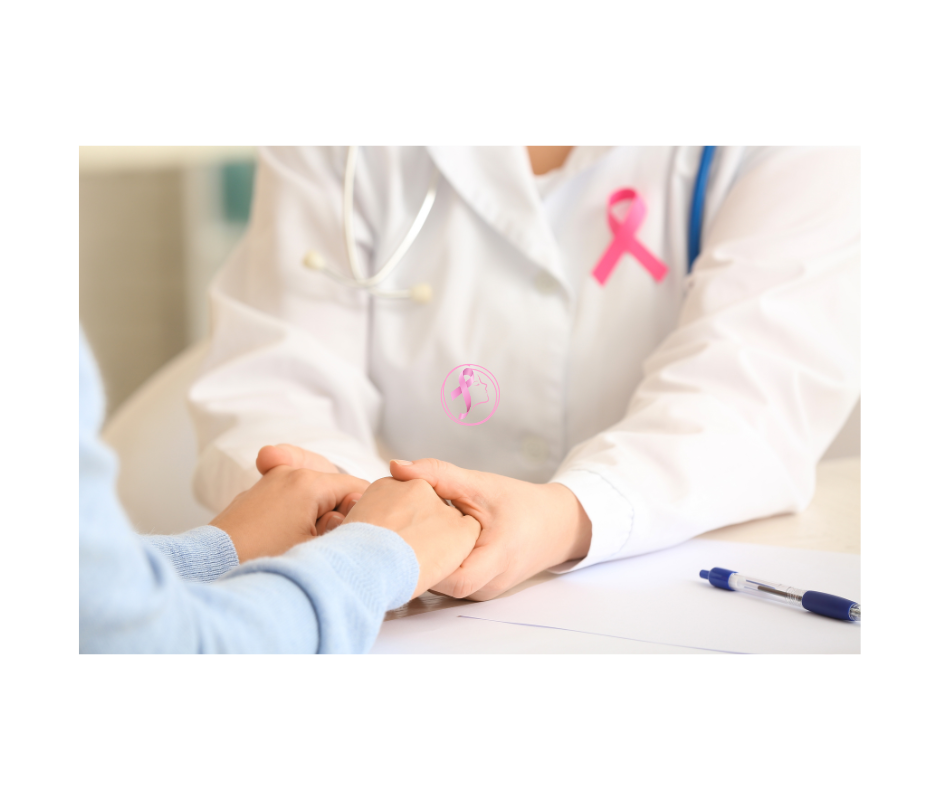
What you might be feeling
There is no “right” way to react to a diagnosis. You might feel:
- Numb, like it’s happening to someone else
- Angry or thinking “why me?”
- Terrified about treatment or the future
- Guilty about how this will affect your family
- Overwhelmed by leaflets, appointments and information
You might even feel strangely calm for a while, and then crash later, i was so fine about the whole situation , then at random times during the day or night I would just stop or wake up and think ” Ive actually got cancer”. you might go through the whole list and feel all of them.
All of this is normal, Your brain and body are trying to catch up with what you’ve just been told.
You are not doing this wrong
You might be asking:
- “Am I being strong enough?”
- “Should I be more positive?”
- “Why can’t I stop crying?”
- “Why am I NOT crying?”
There is no rule book.
Some days you might manage a walk, a chat, or a laugh. Other days getting out of bed and putting on clean clothes is a big win.
However you are coping right now is the right way, its good enough. You are already doing something incredibly hard.
Tiny things that might help today
You don’t need a big plan today. Just one tiny step can be enough. Pick one of these if it feels doable:
- Drink a glass of water
- Eat something, even a small snack
- Write down your questions for your next appointment
- Ask one person you trust to come with you or be “your note taker”
- Have a “sofa day” with comfy clothes, blanket, favourite TV or music
- Step outside for 2–5 minutes of fresh air
If you don’t manage any of these today, that’s okay too. Just reading this page is already a step.
You are not alone
Even if you feel very alone right now, there are people who understand what you’re facing:
- Your oncology team and breast care nurses
- Cancer support charities and helplines such as MacMillan nurses
- Online communities and support groups on social media
- You can also reach out on here through the contact page
You are allowed to ask for help. You don’t have to be the “strong one” all the time.
Understanding What’s Happening
Being told there’s a breast change that needs investigating is overwhelming. Most people describe this stage as a blur of appointments, tests, fears and “what ifs.” It’s normal to feel shocked, scared, numb or disconnected. You are not expected to understand everything straight away.
Why Breast Cancer Rates Are High
Breast cancer is one of the most common cancers in the UK, and there are several reasons:
- Better screening – More people are being picked up early by routine mammograms.
- Longer life expectancy – Risk increases as we age.
- Lifestyle and hormonal factors – Not your fault; this includes things like age at first period, pregnancies, breastfeeding, weight, and hormone exposure.
- Improved awareness – More people check their breasts, meaning more early detection.
None of this means you caused your diagnosis. Breast cancer happens in people with no risk factors at all.
Your First Steps at the Breast Clinic
When you attend your first breast clinic appointment, you typically meet a small team of specialists who work together to get clear answers:
1. Breast Care Nurse
Your main point of support.
They explain the process, answer questions, and stay with you throughout.
2. Consultant or Doctor
They examine you, review your tests, and guide your diagnosis and treatment plan.
3. Radiographer / Radiologist
These are the imaging specialists who carry out and interpret your scans.
What Tests Might Happen
You may have one or several of these tests, depending on what the team needs to see.
• Mammogram
An X-ray of the breast to look for any unusual areas.
• Ultrasound
A scan using sound waves — helpful for looking at lumps and lymph nodes.
• MRI Scan
Sometimes used for clearer images, especially in younger women or complex cases.
• Biopsy
A tiny sample of tissue is taken to check what the cells are.
This is usually the moment that gives the final, accurate diagnosis.
Waiting for Results
This is often the hardest part. Many people describe:
- Not sleeping
- Feeling sick
- Constant “what if” thoughts
- Needing reassurance
- Feeling like life is paused
All of this is very normal. Try to take things one day at a time. You haven’t done anything wrong, and you’re not expected to manage this perfectly.
When You Receive Your Diagnosis
The team will explain:
- What type of breast cancer you have
- Whether it is hormone-positive, HER2-positive or triple-negative
- The grade (how active the cells look)
- The stage (how far it has grown)
- Your treatment options
You should always be given time to take it in, ask questions, and go through things more than once if needed.
How You Might Feel
Many people say they remember the person they were before diagnosis — carefree, busy, in control — and suddenly everything feels different.
That is a normal and very human reaction.
- It’s okay to cry.
- It’s okay to be angry.
- It’s okay to be calm one minute and overwhelmed the next.
- It’s okay to not know how you feel at all.
There is no “right” way to respond.
A note from me
My name is Deborah, and I created Pink Pathways because I know how overwhelming diagnosis and treatment can be. This space is here to make you feel a little bit less alone, one gentle step at a time.
Where to Go Next on Pink Pathways
During Treatment – What to expect and coping tips
After Treatment / The New Normal – Life after cancer Warrior Stories – Real voices from real people (coming soon) Resources & Free Download – A simple guide you can print and keep

Be kind to yourself today. 💗