A Guide To Breast Cancer
Navigating breast cancer can feel overwhelming, especially in the early days when everything is new, fast, and full of unknowns.
This page brings together gentle guidance, clear information, and supportive tools to help you feel more prepared and less alone.
Here you’ll find easy-to-understand explanations, practical steps, and emotional support — all written with care, compassion, and clarity.
You can return to this guide any time you need information, reassurance, or direction from the breast Cancer awareness section Learn More on the Home page

Understanding the Different Types of Breast Cancer
A gentle, supportive guide from Pink Pathways
Receiving a breast cancer diagnosis — or even attending the breast clinic for the very first time — can feel overwhelming. This guide explains the different types of breast cancer in simple terms and gently walks you through what to expect at your first appointment.
The Main Types of Breast Cancer
Invasive Ductal Carcinoma (IDC)
The most common type. Starts in the ducts and grows into surrounding tissue. Treatment options are well-established and widely researched.
Invasive Lobular Carcinoma (ILC)
Begins in the milk-producing lobules. Often presents as fullness or thickening rather than a clear lump.
Ductal Carcinoma In Situ (DCIS)
Abnormal cells contained inside the milk ducts. Considered “pre-invasive.” Highly treatable.
Lobular Carcinoma In Situ (LCIS)
Not cancer, but an indicator of a slightly higher lifetime risk. Typically found by accident during a biopsy.
Triple Negative Breast Cancer (TNBC)
Does not respond to hormone therapy or HER2 treatment but often responds very well to chemotherapy.
HER2-Positive Breast Cancer
Grows due to excess HER2 protein. Modern targeted therapies such as Herceptin are extremely effective.
Hormone Receptor–Positive (ER+/PR+)
Driven by hormones. Responds well to hormone-blocking medications like tamoxifen or aromatase inhibitors.
Inflammatory Breast Cancer (IBC)
A rare form that presents as redness, swelling, or warmth rather than a lump. Requires prompt treatment.
Recurrent or Secondary Breast Cancer
Occurs when cancer returns or spreads to another part of the body. Treatment focuses on controlling the disease and maintaining quality of life.Taking the First Steps
Taking the First Steps
What Happens at Your First Breast Clinic Appointment?
Most people are referred to a One-Stop Breast Clinic, where several tests are done on the same day. This is completely normal.
Who You Will Meet
Breast Care Nurse
Your emotional anchor. Explains everything, answers questions, and stays with you throughout your journey.
Breast Surgeon / Specialist Doctor
Performs the examination, orders tests, and explains findings.
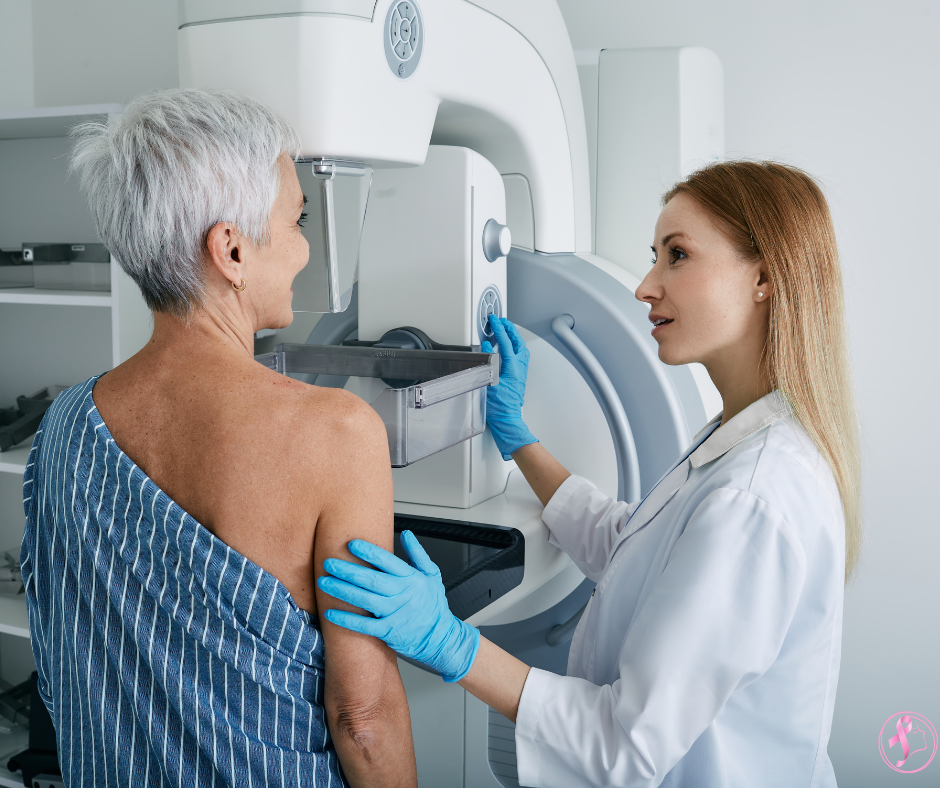
Radiographer / Mammographer
Carries out the mammogram or imaging.
Ultrasonographer
Performs the ultrasound scan.
Biopsy Nurse or Doctor
If a biopsy is needed, they will guide you gently and explain each step.
What Actually Happens at the Appointment
1. Symptom Discussion
You’ll be asked about what you noticed, how long it’s been there, family history, any hormonal treatments, etc.
2. Breast Examination
A gentle physical exam of both breasts and underarms. Completely routine.
3. Imaging
Depending on your age and symptoms:
• Mammogram
• Ultrasound
• Sometimes MRI
This is done on the same day whenever possible.
4. Biopsy (only if needed)
A core needle biopsy is quick and done under local anaesthetic. Most people find it easier than expected.
5. You Go Home — and Wait for Results
Results usually take 1–2 weeks. You’ll return to discuss your exact diagnosis and treatment plan with your team.
A Gentle Reminder
You may feel scared, confused, or overwhelmed — this is completely normal.
Every professional you meet has one purpose: to support you, reassure you, and guide you through each step with care and compassion.
You are not alone.
Pink Pathways walks this journey with you.